

Discover courses in Melbourne and more.
Our courses equip participants with the essential knowledge and skills to manage medical emergencies effectively. Whether you need workplace certification or want to gain personal confidence in first aid, we have the course for you.
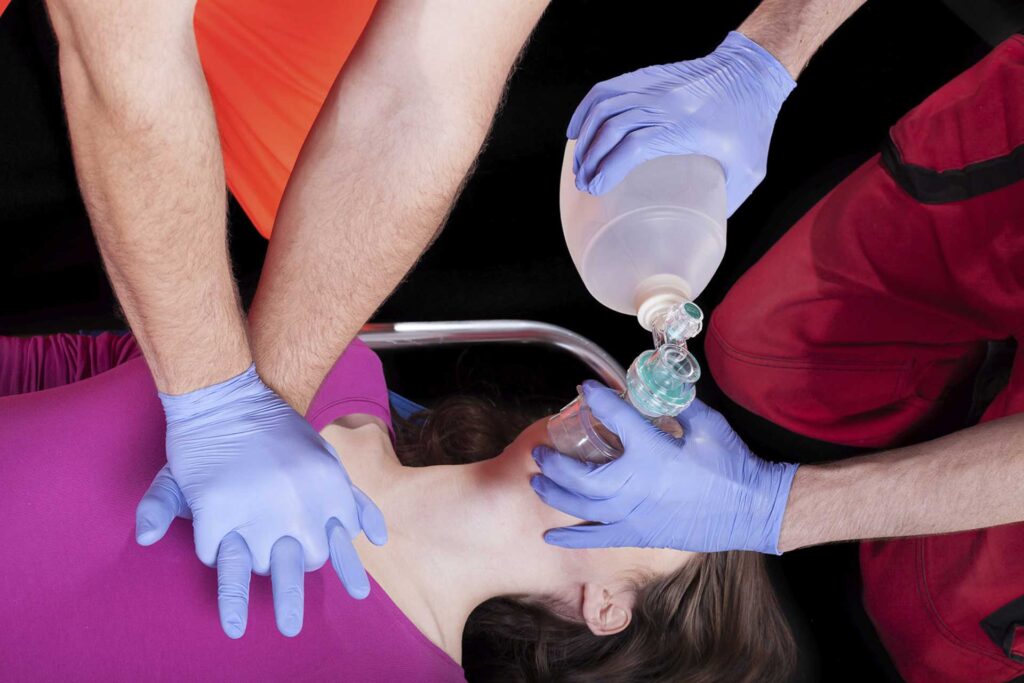
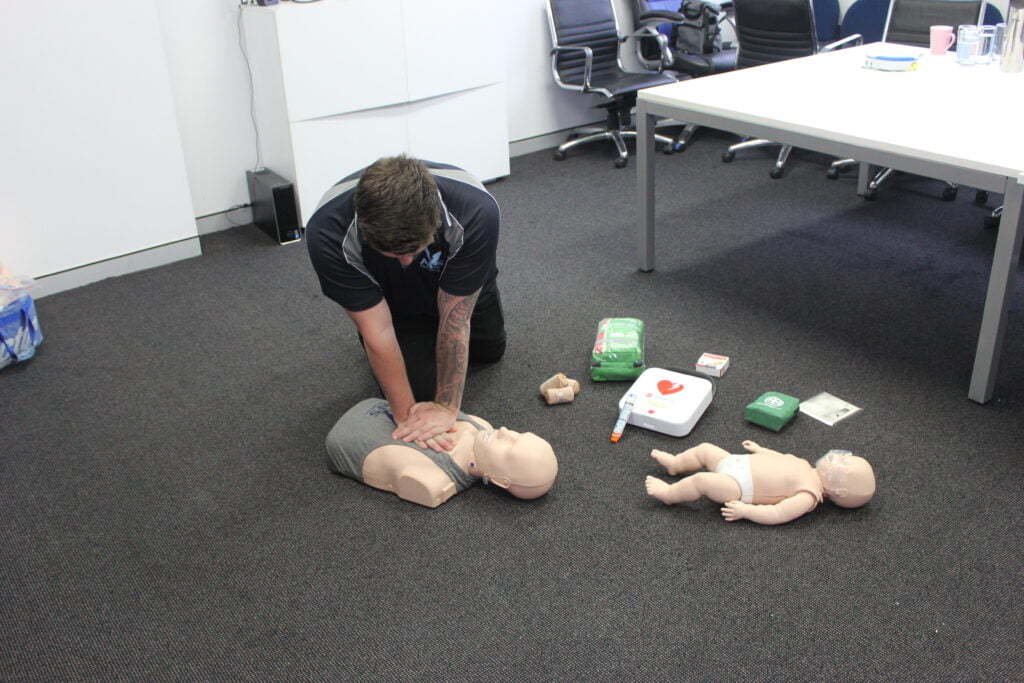
This Nationally Recognised CPR course teaches the skills and knowledge required to perform CPR in line with the Australian Resuscitation Council (ARC) guidelines. It applies to all persons who may be required or would like to be skilled to provide CPR in a workplace, community or their own home. CPR, or cardiopulmonary resuscitation, combines chest compressions and rescue breaths to maintain oxygen flow to the brain and other vital organs until advanced care is available. It is a critical skill that buys time in cardiac arrest situations.
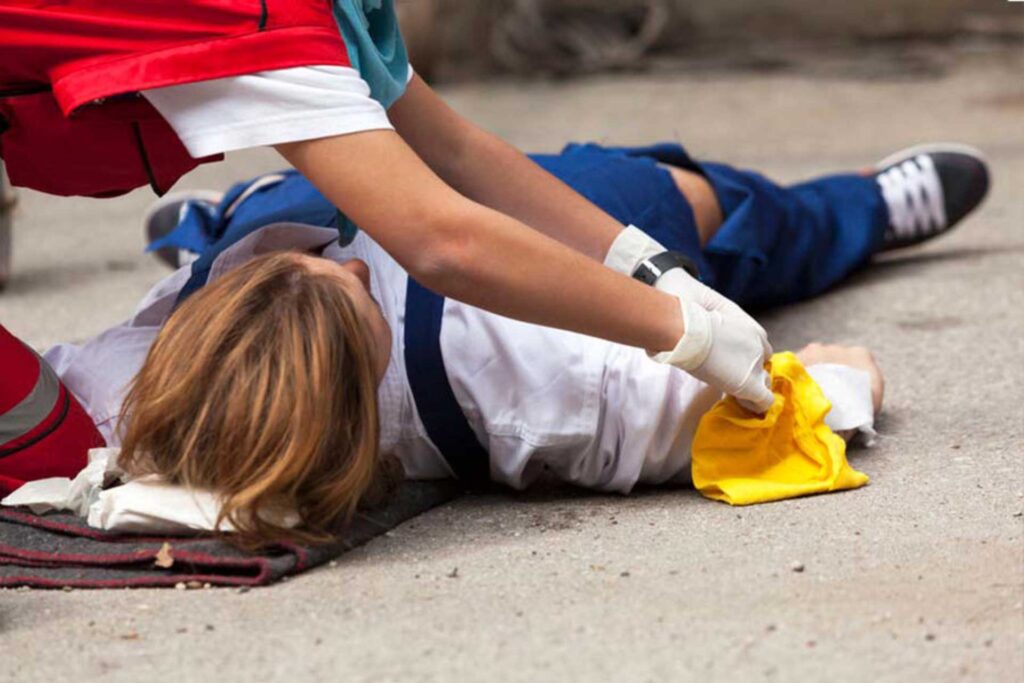
This course applies to a wide range of settings where first aid emergencies may occur. It is relevant for workplaces, education, around the home or other social or community environments. It covers the skills and knowledge required to provide quality CPR and an effective First Aid response for a range of medical conditions and trauma.
This skill set applies to educators and support staff working in education or children's services who are required to respond in the event of a first aid emergency. It also accords with training recommended by Work Health and Safety Authorities to meet WHS legislative requirements for First Aid in the workplace. It covers the skills and knowledge required to provide a first aid response to infants, children and adults.
This course applies to a variety of settings where life-threatening emergencies may occur. It is relevant for all people who may be required to provide an emergency response in a range of situations, including community and workplace settings. The course covers the skills and knowledge required to recognise and respond to life-threatening emergencies using basic life support measures.
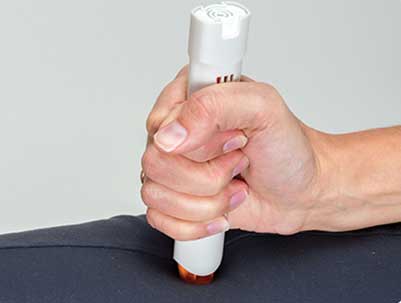
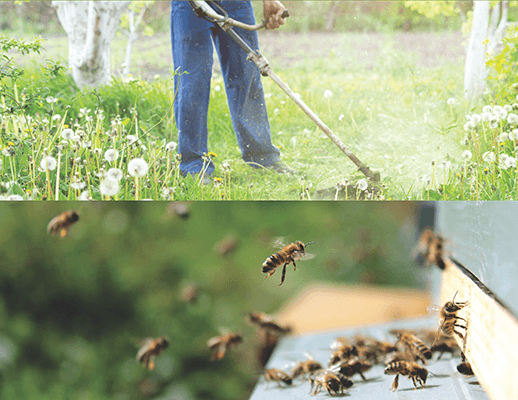
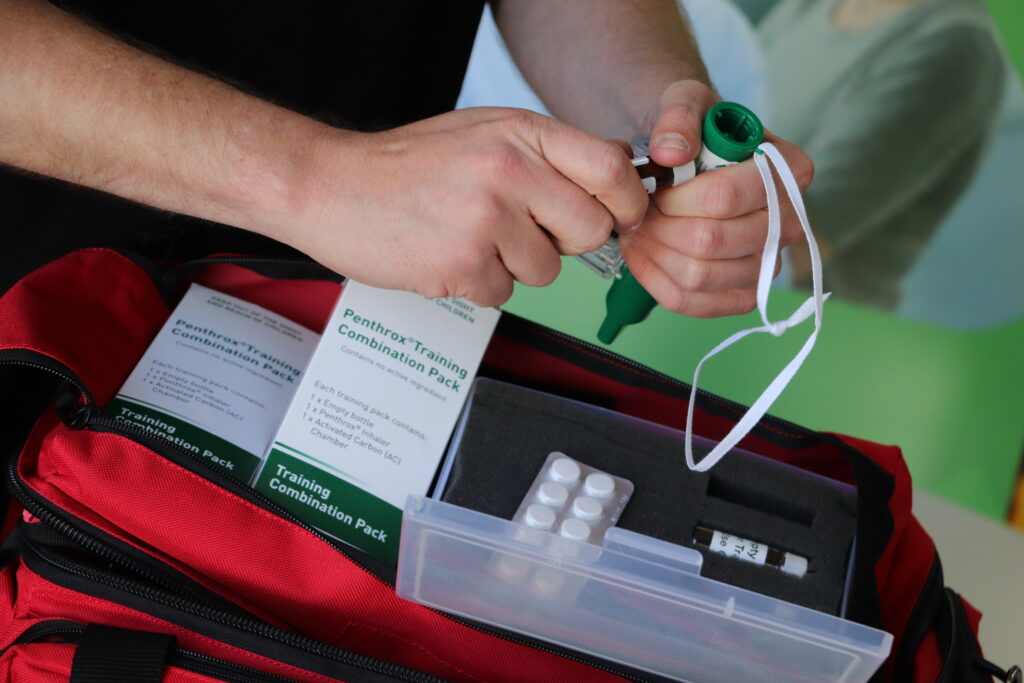
This course is applicable to a range of settings where emergencies involving allergic reactions may occur. It is relevant for people working in childcare, education, aged and community care, sport, tourism, hospitality, industry enterprises and other environments. The course covers First Aid management of anaphylaxis as well as risk minimisation and risk management strategies for anaphylaxis.
This unit contains the knowledge and skills to provide an advanced first aid response in the event of an emergency. It is relevant for personnel who may be required to provide, coordinate and manage a first aid response across a range of complex situations, including community and workplace settings.
This course applies to a range of industries where first aiders need to be trained in the use of specialised equipment in the provision of resuscitation, including defibrillators, medical oxygen and advanced airway management devices. It is relevant for designated first aiders, especially those working in manufacturing, construction, mining or any occupation involving remote or hazardous work.
This course provides a set of skills to establish, maintain and facilitate the provision of appropriate first aid in a workplace environment, including the skills to provide an emergency first aid response in the event of an emergency. It is relevant for personnel who are the designated first aiders, particularly those working in manufacturing, construction, mining or any occupation involving hazardous work.
Level 1 Sports Trainer course educates participants on the basic principles of first aid, sports injury management, and sports injury prevention for those with a first aid certification looking to upskill. This course also includes basic sports taping and player transport and more. Our expert trainer will educate participants to act in the role of First Responder for all age groups on game days, while having a bit of fun as you learn.
This online program will increase your awareness and understanding of mental health issues. It will also help you recognise some of the signs of different mental health issues and guide you on how to respond appropriately.
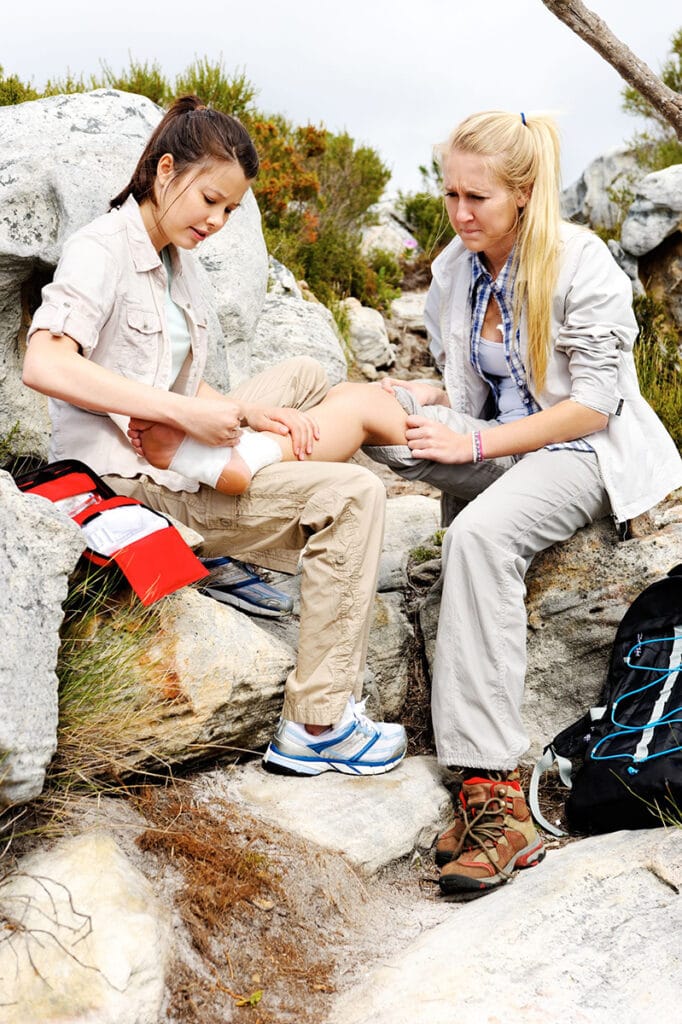
This course outlines the skills and knowledge required to provide a first aid response to a casualty in a remote or isolated site over an extended period of time until medical assistance is provided, or evacuation occurs. This unit applies to any site where medical assistance is likely to be delayed.
This course applies to a wide range of settings where emergencies involving asthma and anaphylaxis episodes may occur. It is relevant for teachers, childcare workers, aged-care workers, disability workers, sports coaches, youth workers and designated workplace first aiders.
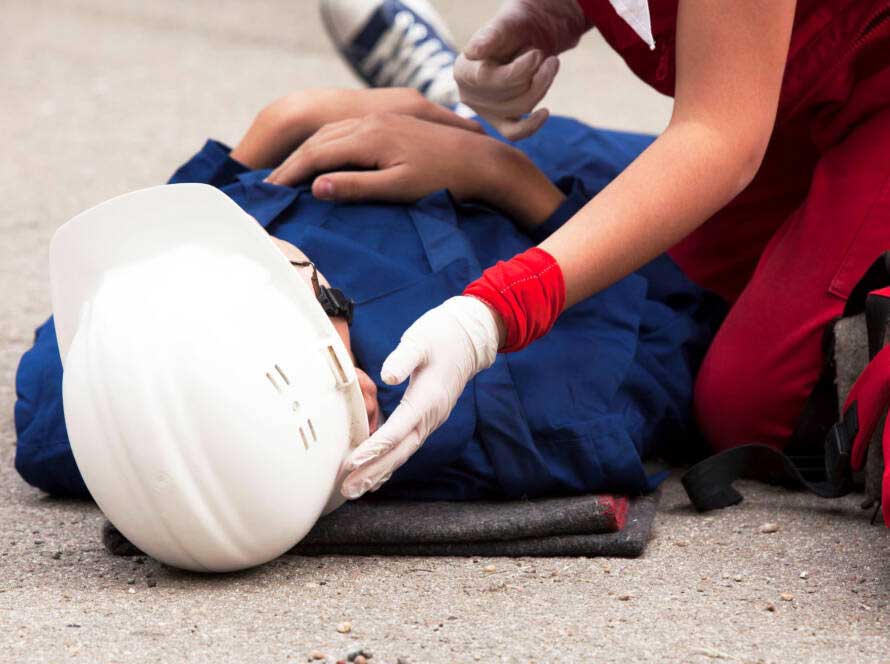
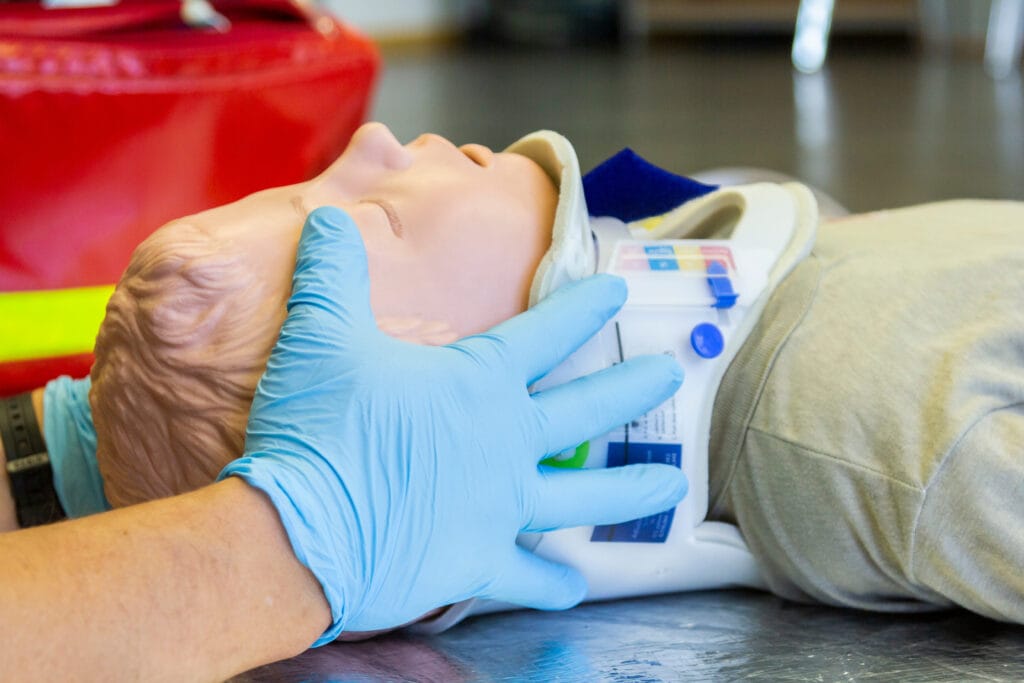
This course covers the skills and knowledge required to minimise further injury to a casualty when applying first aid and waiting for emergency medical aid. It includes recognition and management of a suspected spinal injury, immobilising cervical spine, evaluating the need to move a casualty, preparing a casualty for transport, transporting and monitoring a casualty, and performing a casualty handover.
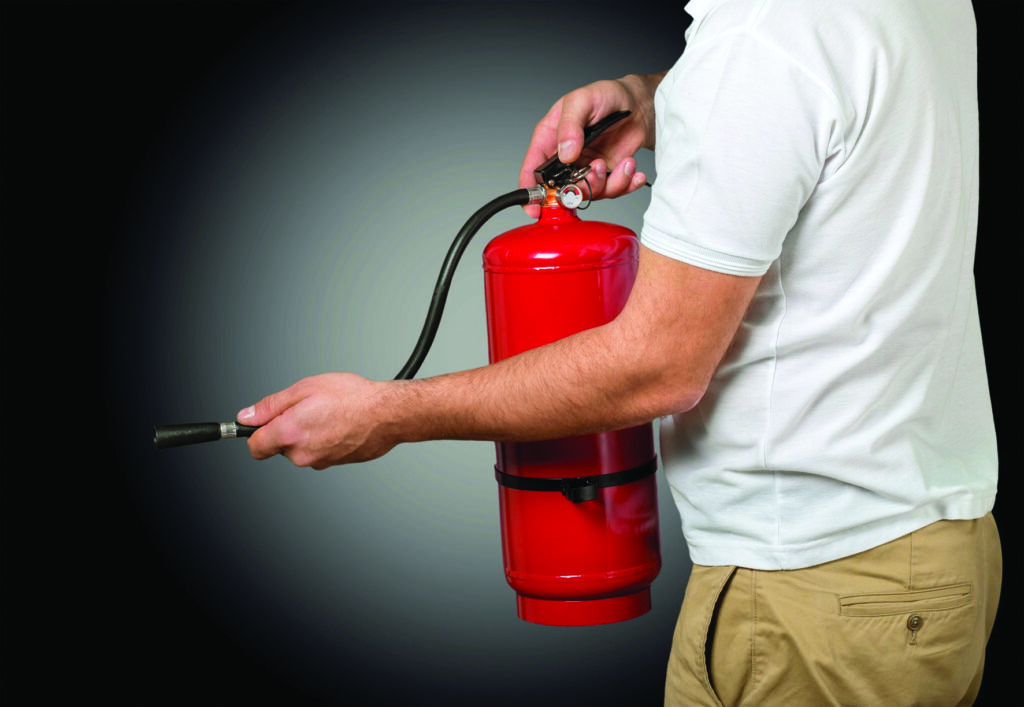
This course covers the skills and knowledge required to confine small emergencies in a facility. It includes preparing for emergency situations, identifying and assessing an emergency, safely confining workplace emergencies, using initial response equipment and reporting on the facility's emergency response. Small emergencies in a facility include incidents such as small fires that can be controlled using a fire extinguisher; chemical spills that can be controlled using facility personal protective clothing and equipment and a spill kit; or a vehicle accident where there is no significant injury or damage.
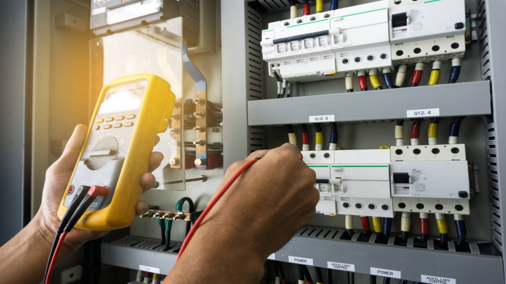
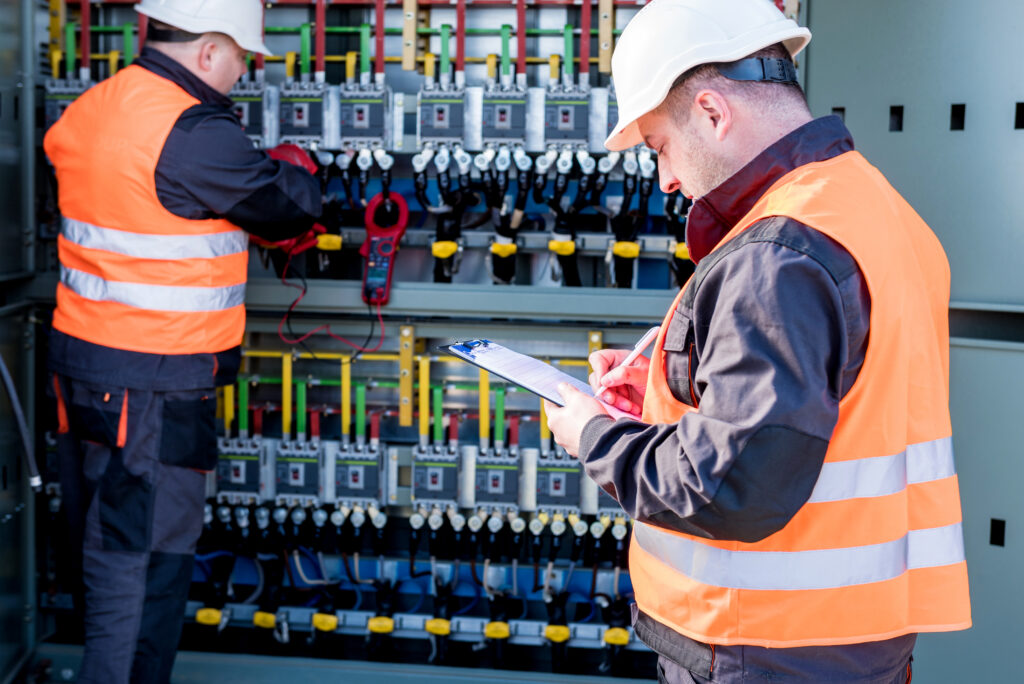
The course in Live Low Voltage Panel Rescue teaches the skills and knowledge required to perform a rescue from live low voltage (LV) electrical apparatus in an electrical industry environment. This does not include overhead lines and underground cables. It includes the organisational workplace requirements for the inspection and use of live LV panel rescue equipment, and how it applies to electricity supply industry (ESI) workers and/or electrical industry workers to meet work health and safety (WHS)/occupational health and safety (OHS), mobility and mutual aid requirements.
The Course in the Management of Asthma Risks and Emergencies is designed to provide learners with the skills and knowledge required to: • Develop, review, and update risk assessment and emergency management strategies for individuals identified with asthma and those presenting with asthma-like signs and symptoms. • Recognise the signs and symptoms of an asthma episode. • Respond safely to an asthma episode with first aid principles and procedures. • Use different types of asthma equipment and devices for adults, children and infants/babies.
This course involves the skills and knowledge required to administer restricted analgesics to provide pain management as part of a medically supervised first responder organisation. It includes identifying the need for analgesia; accessing, preparing and administering restricted pain relief such as analgesics according to medically endorsed protocols; performing casualty handovers and completing analgesic use requirements. The unit is applicable for personnel from emergency services, volunteer organisations or organisations that provide a medically supervised first aid service.
This course equips individuals with the skills and knowledge necessary to safely and effectively support clients in managing their medications. This unit is essential for healthcare workers, support staff, and carers in aged care, disability care, and community services, where assisting clients with medication is a routine and critical task.
This course involves the skills and knowledge required to apply work health and safety (WHS)/occupational health and safety (OHS) regulations and codes of practices in the electrotechnology workplace.
At Vital Skills Training, we offer nationally recognised first aid and CPR training courses designed to equip you with the skills and confidence to take action in an emergency. Our courses will cover everything the workplace professional, parent, and community member needs to know to save lives.
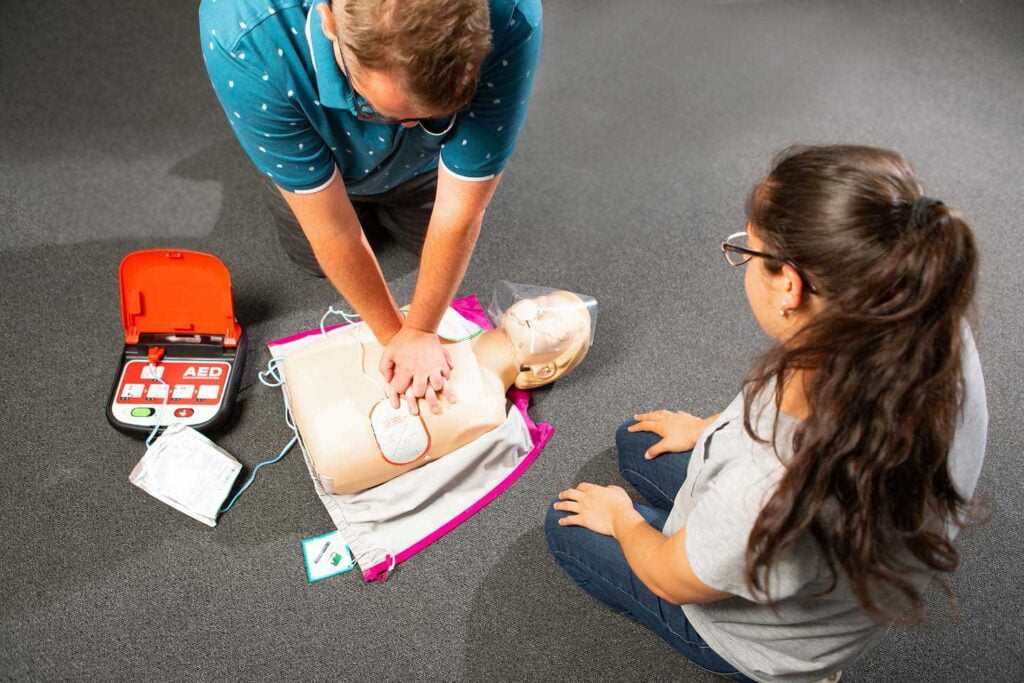
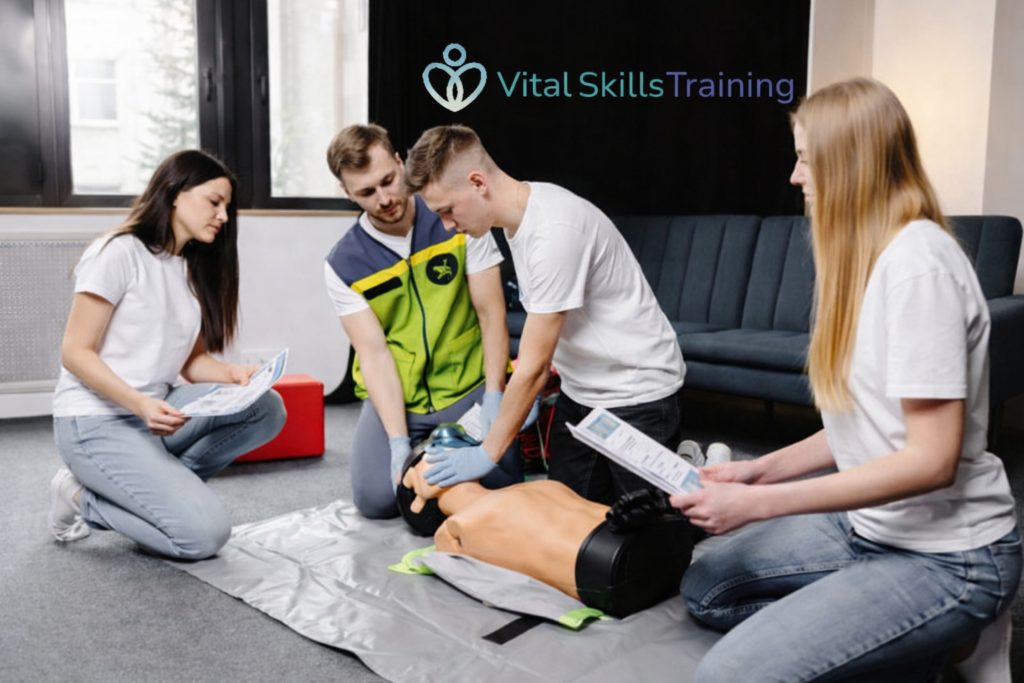
With a focus on practical learning, our First Aid and CPR based courses will give you hands-on experience in cardiopulmonary resuscitation (CPR), airway management, and knowledge of how to use an Automated External Defibrillator (AED) effectively. From basic first aid skills to advanced techniques, our courses ensure you’re prepared for any situation.
What You Can Learn in Our Courses
Our comprehensive training programs align with Australian Resuscitation Council (ARC) guidelines and cover critical topics such as:
Why Choose Vital Skills Training?
Our courses are designed to be flexible and accessible for everyone, including individuals, workplaces, and community groups. With experienced trainers and state-of-the-art equipment, you’ll learn life-saving techniques in a supportive and interactive environment. Plus, we offer tailored courses to meet workplace health and safety (WHS) requirements, ensuring compliance with regulations.
Ready to Make a Difference?
Enrolling in a Vital Skills Training course means you’re not just learning skills – you’re gaining the tools and confidence to save lives. Browse our range of courses and find the perfect fit for your needs. Whether you need a short CPR course or comprehensive first aid training, Vital Skills Training has you covered.
Whether you’re preparing for emergencies at home, in the workplace, or the community, our courses provide the training you need:

Master CPR techniques, including chest compressions and rescue breaths. This focused course is ideal for quick, essential training.
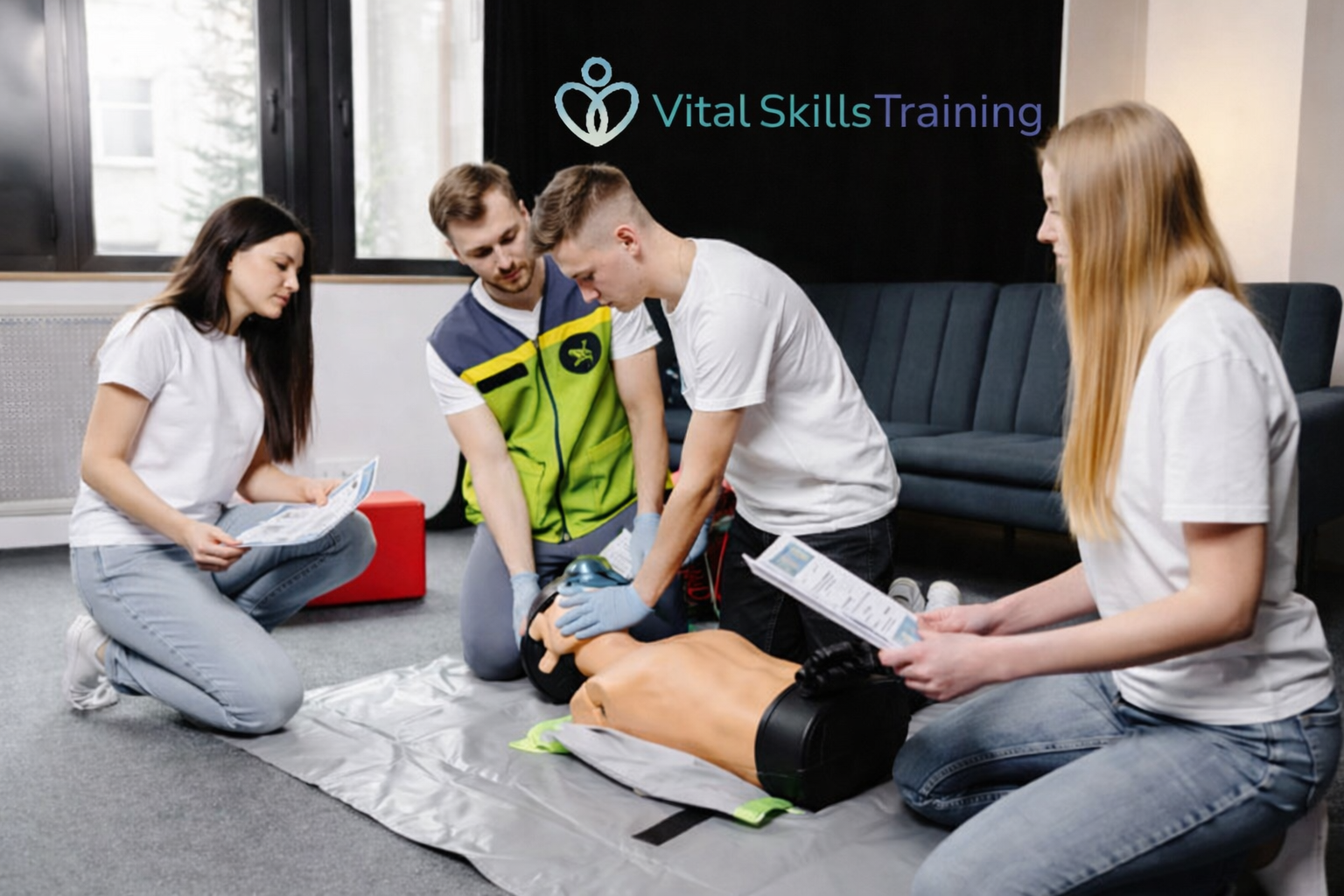
This course covers airway management, injury assessment, CPR, and AED use, designed for workplace compliance and personal readiness.

Customizable courses tailored to your business needs, ensuring your team meets WHS standards with confidence.